Welcome to the official Waterfowl Sensitivity Training course. In a world where misganders happen daily, it's time we learn to recognize, respect, and properly identify our feathered friends.
In this training, you will learn:
"In a world full of misganders, be the one who honks back with kindness."
βThe Waterfowl Sensitivity Training Committee
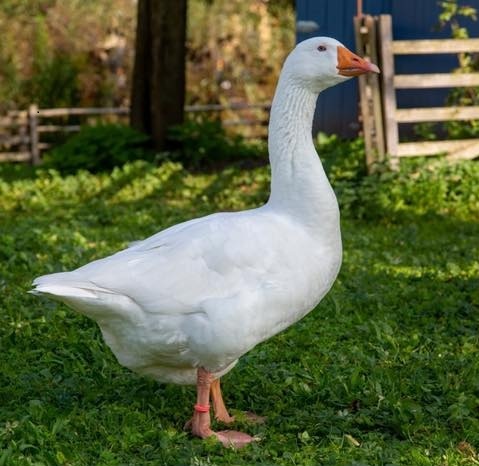
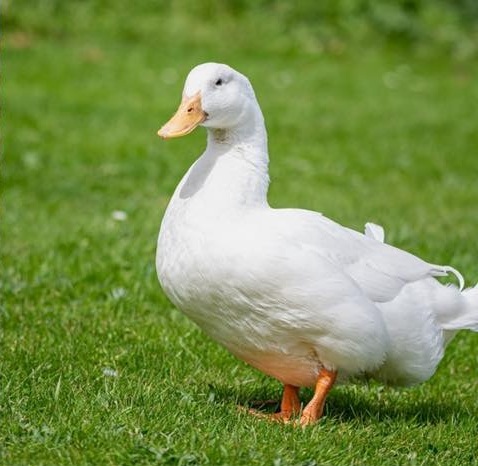
Wadlidation starts with correct identification. Use this quick reference guide:
| Feature | π¦ Duck | πͺΏ Goose |
|---|---|---|
| Size | Smaller, compact | Larger, taller |
| Neck | Short | Long |
| Sound | Quack | Honk |
| Bill | Wide, flat | Shorter, pointed |
| Legs | Set back (waddly walk) | Centered (better walkers) |
| Attitude | Generally chill | Assertive, will choose violence if necessary |
How would you respond in these real-world situations? Click each scenario to expand and learn the ideal response.
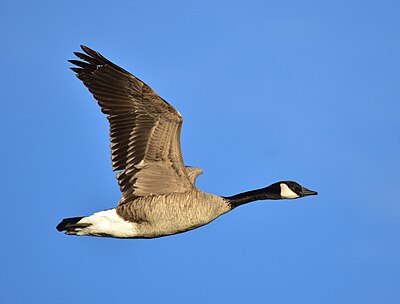
You're at a park for a birthday party. A child points at a Canada goose and yells, "Look at that big duck!" The parent laughs and says, "Sure is!"
The parent is reinforcing the misgander by agreeing with the incorrect identification, dismissing the goose's actual identity.
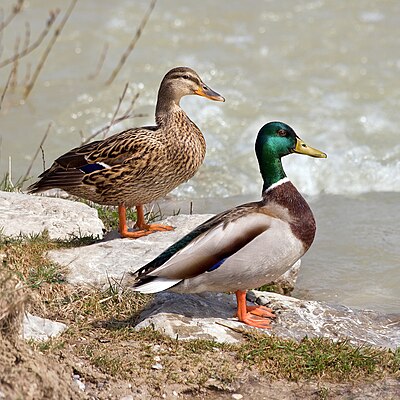
A person at a pond is throwing bread to all the birds while saying, "Come here, ducks!" There are clearly three mallards and two geese present.
The feeder is using "duck" as a default term, erasing the geese's identity. This is a form of species lumping.
A coworker sees a photo on your desk of you at a lake with a goose. They say, "Cute! I love ducks." You correct them. They roll their eyes and say, "Same thing."
The dismissive "same thing" response minimizes the importance of correct identification and the distinct identities of different species.
Click on a feature, then click on Duck or Goose to place it. Match all features correctly!
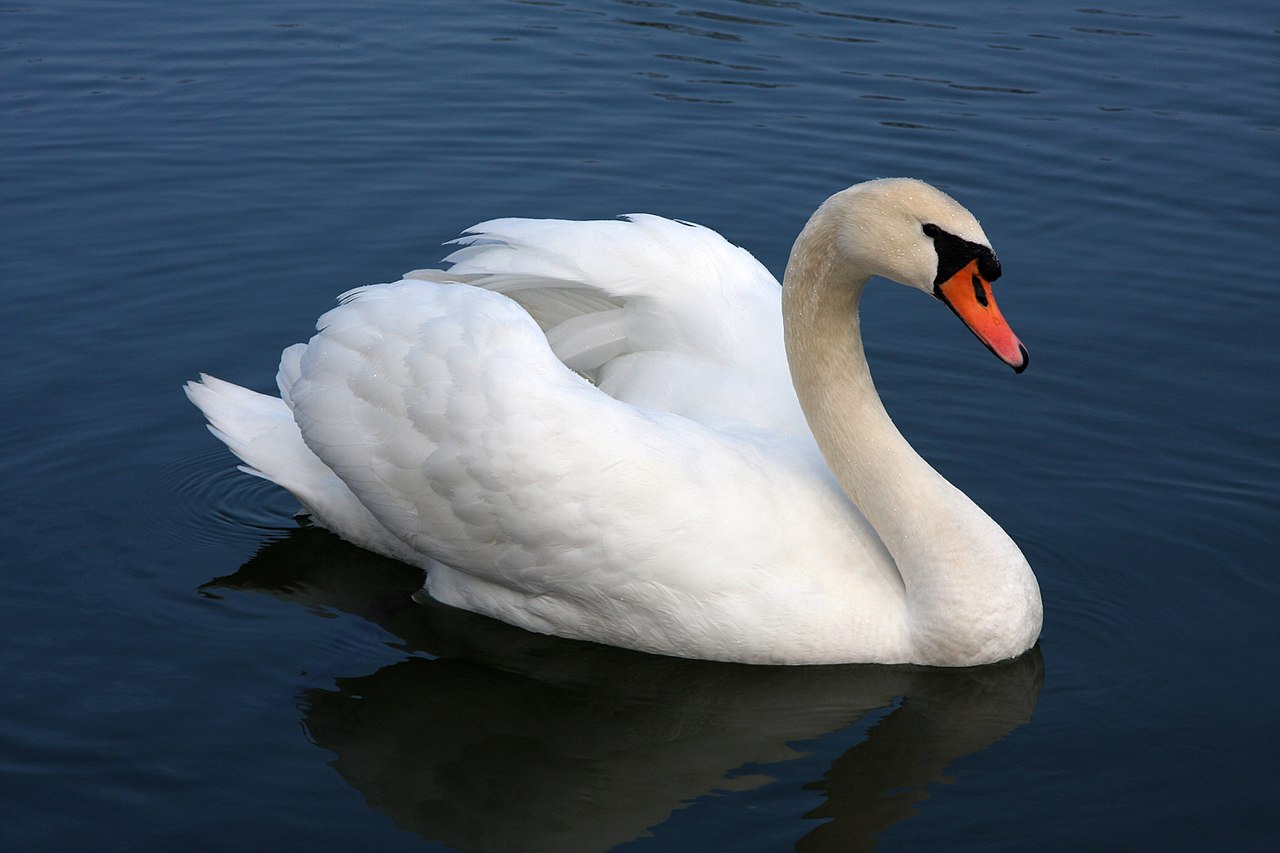
Is this a duck or a goose?
This certifies that
A Distinguished Human
has completed the
Waterfowl Sensitivity Training Course
Rank: Pending...